Between them, they’ve tried almost every route there is: a traditional publisher, small presses, a hybrid deal with a local publisher, self-publishing, and even setting up their own imprint. Several have changed route along the way.
A couple of things came up again and again. Firstly, several wished they’d known more about the business side, for example with promotion, review copies and where their book would be sold. Secondly, more than one said they wished they’d met other Guernsey writers sooner. That’s one reason why this Hub was set up.
Writing is an art, but publishing is a business.
Traditional publishing
In traditional publishing, a publisher buys the right to publish your book and pays for editing, the cover, printing and distribution. You’re paid an advance, royalties or both. The first step is usually to find a literary agent as many publishing houses only take books through an agent.
Theresa Le Flem sent her first novel to sixteen literary agents without success, so she approached a publisher directly instead: “Realising an agent still had to sell it to a publisher, I studied my Writers & Artists’ Yearbook and found the old traditional London publisher Robert Hale Ltd. I sent the first three chapters with a letter explaining why I had written the novel.” Within days they asked for the full manuscript, which she read about on the library computer, as she had no internet at home. “Two weeks later I received a letter of acceptance in the post, shortly followed by a cheque!” Robert Hale published her first two novels in hardback.
Tom Gaisford secured a literary agent, who submitted to publishers on his behalf. His novel Sanctuary was published by Cinto Press, an imprint of Bath Publishing, which publishes “fiction and non-fiction with a social justice focus.”
Smaller independent publishers often accept submissions direct from authors, so it’s always worth checking the guidelines on their websites.
They also vary a great deal. Jill Bray’s first novel came out with a small UK publisher and was only available on Amazon, which she hadn’t realised when she signed. She had one author copy and had to buy the rest from Amazon to sell locally. Her advice: “Not all publishers are created equal.” Before you sign, ask exactly where your book will be sold, how many author copies you’ll get, and what the publisher will do to promote it.
A traditional deal isn’t always for life, either. By the time Theresa’s third novel was ready, Robert Hale was closing down.
Digital first
Some publishers now publish digitally first, with ebook and audio editions leading. Anna Stothard’s last two novels were “traditional but digital first, through Lake Union with Amazon Publishing.”
Hybrid publishing
A hybrid publisher shares the costs of producing your book with you, and you share in the sales. A good hybrid publisher is selective about what it takes on, edits your book properly and helps get it into shops, much as a traditional publisher would. Kelvin Whelan’s third book was published “under a hybrid contract with local publisher Blue Ormer Publishing,” after he had self-published his first two.
Watch out for vanity publishers
Vanity publishers are different. They’ll publish almost anything, because they make their money from authors rather than readers, and some describe themselves as hybrid or “partnership” publishers. Whoever you’re talking to, be wary if a publisher:
asks you for a large fee up front, or to buy a set number of your own copies;
praises your manuscript without suggesting any edits;
can’t tell you exactly where your book will be sold;
sells add-on packages (marketing, reviews, awards) on top.
The Alliance of Independent Authors’ watchdog rates publishing services and lists ones to avoid.
Self-publishing
When you self-publish, you’re the publisher. You pay for any help you need, keep control of every decision and keep a bigger share of each sale. Jill Bray, who self-published her second novel after her first was traditionally published, says: “There is not the stigma about self-publishing a novel that there was 30 or 40 years ago. Plus, with self-publishing, you have far more control regarding cover design, publication date, book format and layout.”
When Theresa Le Flem’s publisher closed, “I didn’t want to go back to submitting to agents again, so I published it myself on Amazon.” She has since self-published five more novels and a poetry anthology.
Printing, and getting into bookshops
Most self-published books are printed on demand: a copy is printed each time one is ordered, so there’s no stock to store. Amazon KDP is the easiest place to start. Kelly Priaulx found that it “had guides for you each step of the way. Everything was explained and there were templates available, so you never felt out of depth!” Theresa adds that it “costs nothing to do this. They simply request a percentage of the selling price of your book.”
But a book printed only through KDP is sold only on Amazon. To reach bookshops, Jill, Kelvin and RJ Verity also use Bookvault, which lists books with Gardners, the wholesaler UK bookshops order from. Jill had planned to use IngramSpark, “but Kelvin suggested Bookvault were better and charged less. By using them, I learnt that my book would be available at Gardner’s wholesale and bookshops could order from them. It was also picked up by Waterstone’s online, which was a dream come true for me.” Kelvin’s guide to approaching bookshops explains what booksellers need from you.
Your cover
Kelly found an independent cover artist through Fiverr: “I sent the artist my page count, and they ensured their artwork could be dropped into the templates provided by Amazon KDP.” Jill worked with a graphic designer for her second book and loved having a say in how it looked. Kelvin and RJ design their own covers in Canva, and Theresa uses PowerPoint, “purchasing commercial licences for the images where necessary.”
RJ recommends going into every bookshop you walk past. “Spend five minutes looking at the fiction and bestseller displays. Become familiar with which covers are popular and why. Study the font type and size, and the ratio of image to words for your genre.” She also recommends thinking more strategically if you’re planning a series. “The books should look like they belong to the same story – either the graphics or the fonts or both.”
Layout
Jill and Kelvin typeset their books in Atticus; RJ uses Vellum. Jill’s tip is to copy a book you admire: “I used C. J. Sansom’s Dissolution for how I wanted to set up the printed copy.”
Proofreading
Theresa’s advice: “Make sure there are no typos and all the spellings are correct.” RJ paid for a professional proofread: “It’s hard to spot your own typos when you’ve been working on something for months.” Jane Mosse’s proofreading guide explains what to expect, and the Hub lists local proofreaders.
Your online listing
RJ wishes she’d known “the words used to market your book are almost as important as the words you use inside it.” She used Publisher Rocket to research categories and keywords. Theresa’s advice helps here too: “Picture where your book will be placed if you walk into a bookshop. Does it easily fall into a genre?” The answer tells you which categories to choose.
Your own imprint
Some self-publishers set up a publishing name of their own. In January 2026, Kelvin Whelan launched Block Print Publishing, “which publishes a redesigned version of my second book, as well as my two subsequent novels, with plans for another edition of my first book. Block Print uses Bookvault and KDP for printing and distribution, with covers designed in Canva and layout typeset using Atticus.”
Having tried three routes, Kelvin sums it up: “Writing is an art but publishing is a business. Remembering that makes it much easier to navigate your options.”
Whichever route you take
Plan the months before launch. Tom Gaisford wishes he’d known “more about what preparation is required in the lead time to publication, e.g. about the importance of sending out lots of advance review copies to create visibility.” Jill agrees – next time she’ll be sending out review copies. These are early copies (often ebooks) sent to readers, reviewers and bloggers, so that reviews are ready on publication day.
Tom admits: “Shamefully, I have only very recently learnt what a ‘blog tour’ is.” It’s a run of book bloggers who each feature your book on a different day around publication, often arranged by a tour organiser.
Work on your pitch before you finish. Anna Stothard’s advice applies to every route: “Whether you are traditionally or self-published, work on your marketing and sales pitch before you finalise the novel. It focuses the mind enormously, not just on how you are going to sell your book but on what you are aiming to achieve in the story itself.”
Promotion feels awkward. Even with a background in retail, Theresa finds selling her own books hard: “It feels awkward and against all my principles to tell people how brilliant my own books are! It feels like I’m boasting.” RJ Verity’s guide to launching your book covers launch events, local press and book fairs.
What they’d tell you
Find other writers. Kelly Priaulx: “I wish I’d known about all the other local authors before I started! Writing a book almost felt like a little secret I had to keep, but there are so many others on the island, writing and researching.” Jill felt the same: “When my first novel was published, I did not know any other writers.” The writing groups on the Hub’s home page are a good place to start.
You don’t need it all figured out. Kelvin: “I didn’t need to have it all figured out at the start, you learn as you go.” Kelly: “Muddle through. If you’re not familiar with the terminology or the process, take the time to understand it and learn.”
And it doesn’t stop with the first book. Anna wishes she’d known “that every time I would start writing a new book, it would feel as though I was doing it for the first time.”
Read, and keep going. Theresa: “Read all you can, especially well-written books, and think why they have appealed to you. Never stop writing. If at first it seems like rubbish, just keep going!” Tom puts it in three words: “Believe and persevere.”
Be proud. Kelly again: “You’re writing a story because someone needs to hear it, so be proud of what you are doing!”
The authors
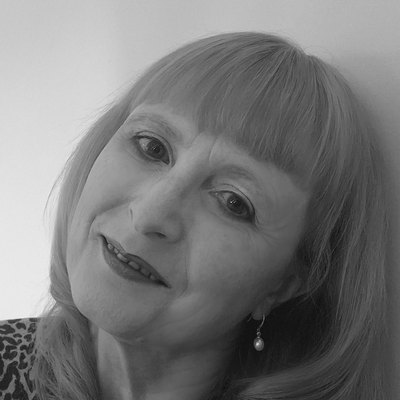
Jill Bray writes medieval mysteries, including A Brotherly Devotion and A Knightly Betrayal. jillbray.co.uk
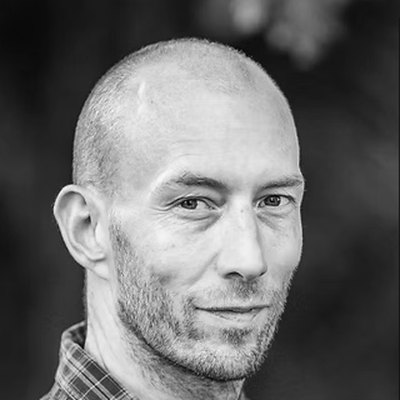
Tom Gaisford is the author of Sanctuary, and is working on his second novel. tomgaisford.com
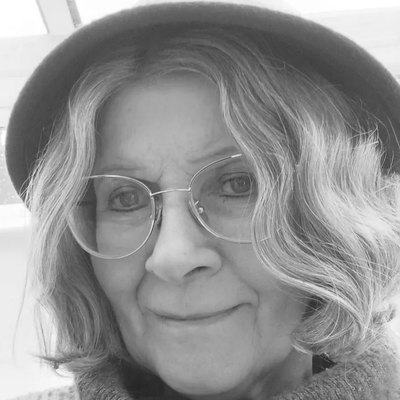
Theresa Le Flem’s Guernsey Wartime Family Sagas, A Sea of Barbed Wire and Freedom on the Morning Tide, are set during the WW2 German Occupation. theresaleflem.com
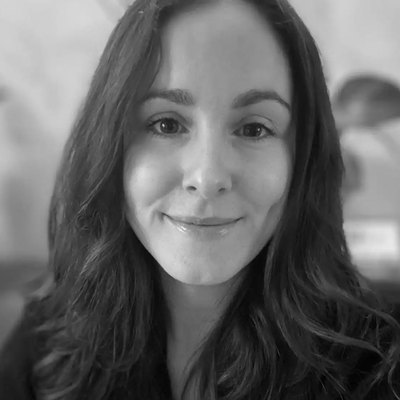
Kelly Priaulx wrote Operation Green Arrow, a novel of the WW2 German Occupation, and is working on a second about Guernsey’s witch trials. Instagram
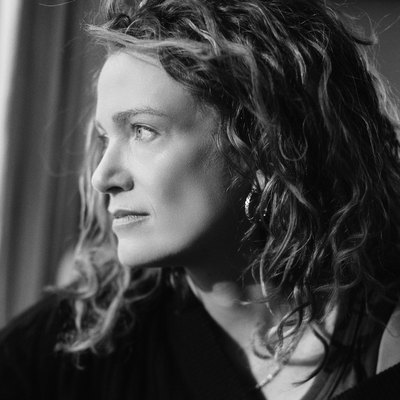
Anna Stothard is a novelist whose last two books were published by Lake Union: Follow Her and The Girl in the Glasshouse. Instagram

RJ Verity writes character-led historical fiction, including The Poole Legacy trilogy. She wrote the Hub’s guide to launching your book. rjverity.com

Kelvin Whelan is an author, a bookseller at Writer’s Block and the founder of Block Print Publishing. He wrote the Hub’s guide to approaching bookshops.
Further listening
The Creative Penn, Joanna Penn’s weekly podcast on writing and self-publishing, has run since 2009.
More advice
 Writingby Jenny O’BrienReading, routine, the craft rules and the two roads to publication.
 Proofreadingby Jane MosseWhen your manuscript is ready, and what a proofreader will and won’t do.
Approaching Bookshopsby Kelvin WhelanWhat a bookseller needs to know before stocking your self-published book.
Launching Your Bookby RJ VerityLaunch dates, getting online, reviews, local press and the Festival.